
Introduction
Buyers often see large price gaps between watches with similar looks. One model costs a few thousand rupees, another reaches lakhs. The reason sits in hidden factors such as movement type, material grade, and brand value. This guide explains each factor in simple terms so you understand where your money goes and how to judge real value before purchase.
Movement Type Drives Core Cost
The movement forms the heart of a watch. Price changes based on technology and manufacturing effort.
Quartz movement
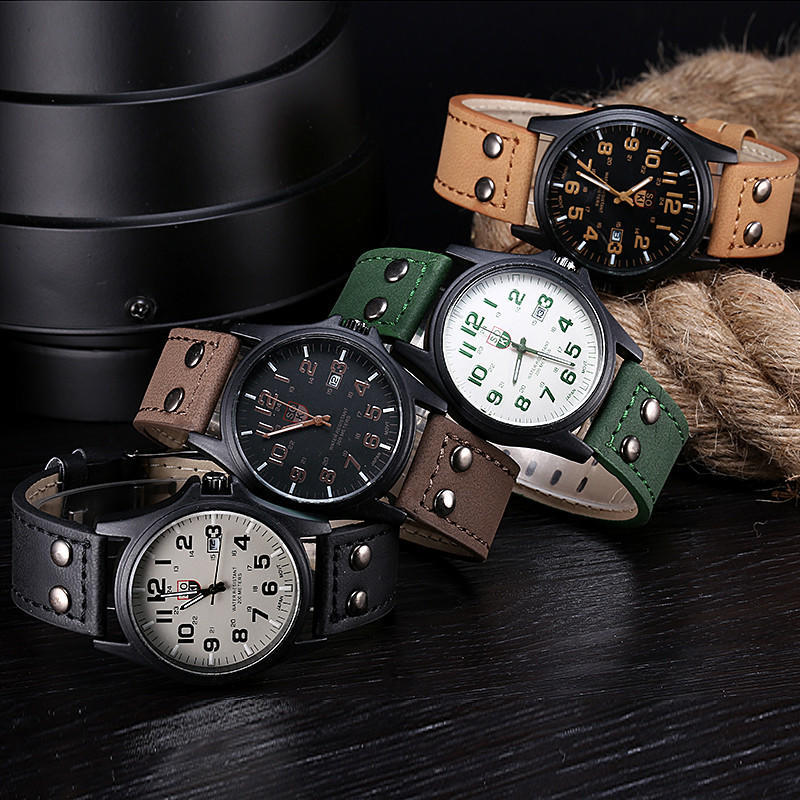
Quartz uses battery power and electronic regulation. Mass production lowers cost. Accuracy stays high with low service need. Entry and mid range watches use quartz due to affordability.
Automatic movement
Automatic watch uses mechanical gears powered by wrist motion. Assembly demands precision and skilled labor. Parts count stays high. This raises production cost and final price. Buyers pay for craftsmanship and tradition.
Manual mechanical
Manual mechanical shares automatic complexity without rotor. Hand winding adds heritage appeal. Production volume stays low. Cost rises due to artisanal assembly.
Material Quality Impacts Price
Material choice affects durability, weight, and finish.
Case material
Brass or alloy cases cost less. Stainless steel costs more due to corrosion resistance and strength. Titanium costs higher due to machining difficulty and light weight. Ceramic sits premium due to scratch resistance and complex shaping.
Crystal type
Acrylic costs least and scratches easily. Mineral glass sits mid range. Sapphire crystal costs highest due to extreme hardness and polishing process.
Strap or bracelet
Synthetic straps cost low. Genuine leather raises price due to tanning and finishing. Solid steel bracelets raise price due to machining and polishing.
Brand Heritage and Reputation
Brand image shapes perceived value and resale demand.
Luxury heritage
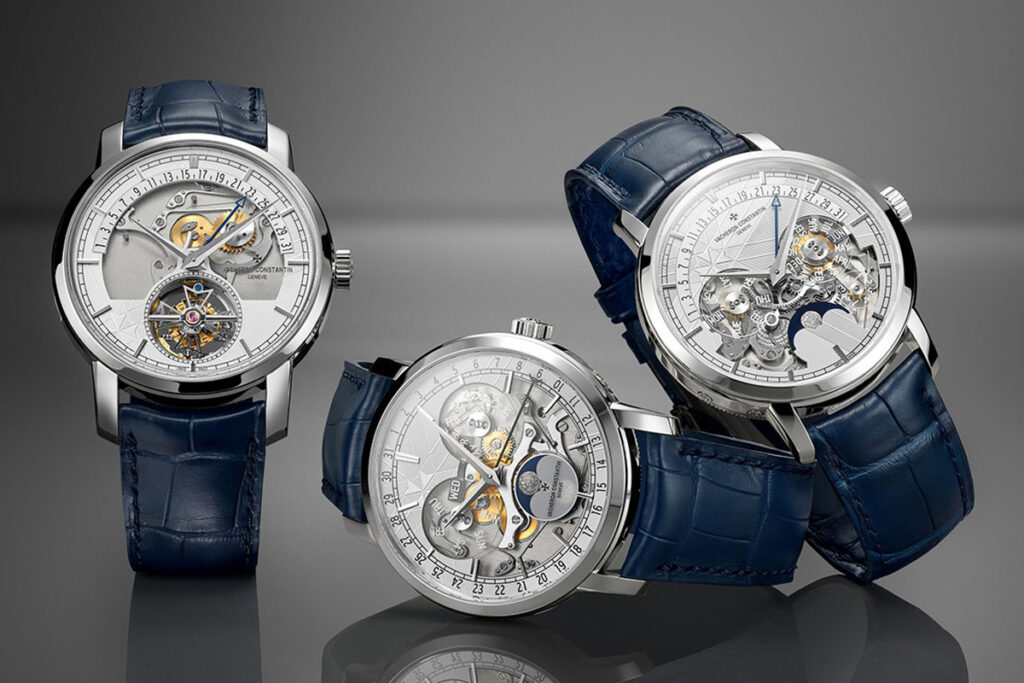
Swiss luxury brands invest in history, marketing, and prestige. Buyers pay for brand story and status signal. This lifts price far above material cost.
Mass market brands
High volume brands focus on efficiency and scale. Lower marketing spend per unit keeps price accessible.
Emerging brands
New brands price lower to gain trust and market share. Value often sits strong if build quality matches claims. Epicro Watches fits this segment with modern styling at accessible price.
Craftsmanship and Finishing
Handwork level affects price strongly.
Machine finish
Basic brushing or polishing through automation lowers cost. Entry watches use this process.
Hand finishing
Luxury watches receive hand polishing, engraving, and decoration. Skilled labor hours add cost. Surface texture and detail reach higher level.
Assembly precision
Tight tolerances require expert assembly and quality checks. Higher rejection rates raise production cost. Premium brands maintain strict standards.
Complications and Features
Extra functions increase engineering complexity and parts count.
Basic functions
Time only display costs least. Simple date adds small cost.
Advanced complications
Chronograph, moonphase, or dual time require extra modules. Design and testing demand expertise. Price rises with each added complication.
Smart features
Sensors, connectivity, and software add electronics cost. Battery and chipset integration also affect price tier.
Limited Production and Exclusivity
Scarcity influences market value.
Limited editions
Low production runs create collector demand. Price rises due to rarity and special design elements.
High production models
Mass production spreads tooling cost across many units. Price stays lower.
Country of Manufacture
Labor and regulation costs differ by region.
Swiss production
High labor cost and strict certification increase price. Swiss Made marking adds prestige premium.
Japanese production
Advanced automation balances quality and cost. Prices stay moderate with reliable performance.